 1.png)
Is 100,000 Miles Too Many? What High-Mileage Used Cars for Sale in St. James Actually Cost to Own
Used cars for sale in St. James with over 100,000 miles are not automatically high-risk, a well-maintained 2017 Honda Accord at 110K miles is a more reliable purchase than a neglected 2020 model at 45K miles. Mileage is one data point. Maintenance history, ownership patterns, and mechanical condition are what actually determine whether a high-mileage vehicle is a smart buy or an expensive mistake.
This post breaks down the mileage myth, tells you exactly what to inspect before buying, and covers the financing and insurance realities that first-time buyers often discover too late.
The Mileage Myth: Why 100K Is Not the Number That Matters Most
For decades, 100,000 miles was treated as a hard ceiling for used car reliability. That threshold was based on the engineering standards of vehicles built in the 1980s and early 1990s. It has not been accurate for at least 20 years.
Modern engines, transmissions, and drivetrain components are built to tolerances that simply did not exist in earlier generations. Synthetic lubricants, improved sealing technology, and tighter manufacturing standards mean that many vehicles today reach 200,000 miles with minimal major repairs — provided they were maintained according to manufacturer specifications.
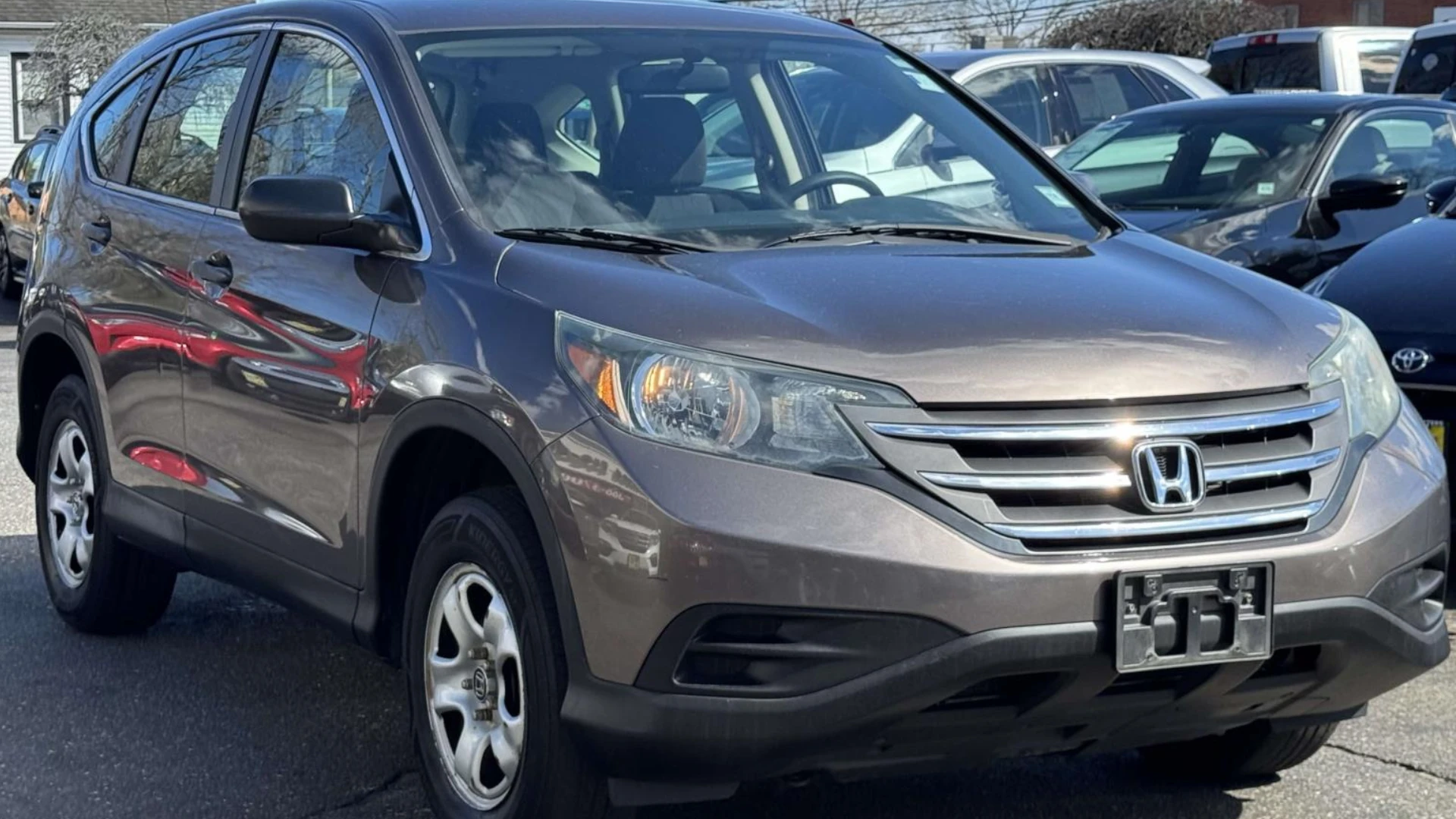
According to data from iSeeCars and Consumer Reports, models like the Toyota Camry, Honda Civic, Honda CR-V, and Subaru Outback regularly hit 200,000 miles without requiring major mechanical intervention when properly serviced. These are not exceptions. They are predictable outcomes for well-maintained vehicles from proven platforms.
The question to ask is not "how many miles?" The question is "how were those miles put on, and by whom?"
Highway Miles vs. City Miles: Why the Type of Driving Matters
A vehicle with 120,000 highway miles is mechanically in better shape in most cases than one with 80,000 city miles. Highway driving keeps the engine at consistent operating temperature, allows the transmission to cycle through gears properly, and puts less strain on brakes and suspension than constant stop-and-go traffic.
A Carfax report will not always tell you what percentage of miles were highway versus city, but prior ownership — a retired commuter who drove 20,000 miles a year on the Long Island Expressway versus an urban delivery driver — matters significantly when evaluating a high-mileage vehicle.
What to Inspect on a High-Mileage Vehicle: The Five Critical Areas
These are the areas where deferred maintenance shows up first, and where a $100 to $150 independent inspection investment pays for itself many times over.
- Timing belt or timing chain service: This is the most critical check on any high-mileage vehicle. Timing belts have manufacturer-specified replacement intervals, typically between 60,000 and 105,000 miles, depending on the make and model. A belt that has not been replaced on schedule is a genuine risk of catastrophic engine failure. Timing chains are generally more durable but can stretch and develop noise issues at high mileage. Ask for documentation of this service specifically.
- Transmission fluid condition: Automatic transmission fluid that has never been changed in 100,000 miles is a warning sign. Dark, burnt-smelling fluid indicates heat stress. A transmission service is inexpensive relative to a transmission replacement. Pull the dipstick or ask the technician to check condition during a pre-purchase inspection.
- Coolant system health: Coolant degrades over time and can become acidic, accelerating wear on water pump seals, radiator components, and heater cores. A coolant flush should be on the service record for any vehicle over 100,000 miles. Check for signs of overheating history in the Carfax or on the engine itself.
- Suspension wear: Struts, control arm bushings, and sway bar links all wear with mileage and road stress. Long Island roads, particularly after winter, accelerate this wear. Have a technician check for play in the steering, clunking over bumps, and uneven tire wear patterns that indicate suspension issues.
- Brake system condition: Rotors, calipers, and brake lines all have finite service lives. High-mileage vehicles from stop-heavy commuting patterns may need full brake system attention. This is a safety item, not a negotiating chip, confirm the condition before purchase.
Do This / Not That: High-Mileage Buying Guide
| Do This | Not That |
|---|---|
| Run a Carfax report on the VIN before visiting | Take the seller's word on service history |
| Pay for an independent pre-purchase inspection | Skip the inspection to save time or money |
| Ask specifically about timing belt/chain service history | Assume it was done because the car "runs fine" |
| Confirm lender financing eligibility before committing | Fall in love with a vehicle before checking financing options |
| Prioritize documented maintenance over low mileage | Choose a low-mileage vehicle with no service records |
| Buy from a dealership that inspects before listing | Buy as-is from a private seller with no recourse |
Financing and Insurance Reality for High-Mileage Vehicles
This is the part most buyers find out too late. Not all lenders will finance a vehicle over 100,000 miles, and those that do may offer shorter loan terms or higher rates. Before you fall in love with a high-mileage vehicle, confirm that a lender will approve the loan for it.
This is one practical reason to consider our affordable pre-owned vehicles in the $2,000 to $7,000 range. Vehicles at this price point are often purchased with a smaller financed amount, or cash outright, which eliminates the mileage-cap financing issue entirely.
On the insurance side, comprehensive and collision coverage on a high-mileage vehicle with a lower market value may cost more than the coverage is worth. Run an insurance quote before purchase, not after; the premium relative to the vehicle's actual cash value is part of the total cost of ownership calculation.
If financing is a concern due to credit history, our financing options for buyers with limited credit history are built around exactly this type of situation: lower loan amounts, inspected inventory, and lending partners who work with real-world financial profiles.
High Mileage vs. Low Mileage: Total Cost of Ownership Comparison
| Factor | High Mileage (100K+), Well Maintained | Low Mileage, Poorly Maintained |
|---|---|---|
| Purchase Price | Lower - already past steepest depreciation | Higher - low mileage commands a premium |
| Reliability Risk | Low - documented service history reduces surprises | High - deferred maintenance shows up regardless of mileage |
| Depreciation Exposure | Minimal - value is already stabilized | Moderate - still losing value from a higher base |
| Financing Ease | May require specific lenders - lower loan amounts help | Generally easier to finance at face value |
| Near-Term Repair Likelihood | Low if maintenance is current at purchase | High - neglected systems fail regardless of odometer reading |
Ready to browse options? Browse inspected used cars in St. James to see the current inventory across all mileage ranges. Each vehicle comes with a free Carfax report and a completed pre-sale inspection.
Frequently Asked Questions
Is 100,000 miles too many for a used car in 2026?
Not necessarily. Modern vehicles built after 2010 are engineered to reliably reach 150,000 to 200,000 miles when maintained according to manufacturer specifications. A documented service history matters far more than the odometer reading. A 110,000-mile vehicle with complete records is a safer buy than a 60,000-mile vehicle with none.
What should I check on a high-mileage used car before buying?
The five areas that matter most are timing belt or chain service status, transmission fluid condition, coolant system health, suspension component wear, and brake system condition. An independent pre-purchase inspection from a certified mechanic covers all five and typically costs between $100 and $150. It is the most cost-effective due diligence step a buyer can take.
Can I finance a used car with over 100,000 miles?
Some lenders will not finance vehicles over 100,000 miles, and those that do may offer shorter loan terms or require a larger down payment. Confirm financing eligibility before selecting a vehicle. Working with a dealership that has established lending relationships, including partners who specialize in higher-mileage or budget vehicles, gives you more options than going directly to a bank or credit union alone.
Which used car brands are most reliable at high mileage?
Toyota and Honda consistently top reliability rankings at high mileage across independent studies from Consumer Reports and J.D. Power. Models including the Toyota Camry, Toyota Corolla, Honda Civic, Honda Accord, and Honda CR-V have strong long-term reliability records when properly maintained. Subaru Outback and Forester models also perform well in this range. Platform reputation is a useful starting point, but individual vehicle condition and service history remain the deciding factors.
Get Pre-Qualified Today